Darknet Markets 2026:
The dark web is part of the deep web but is built on darknets: overlay networks that sit on the internet but which can't be accessed without special tools or software like Tor. Tor is an anonymizing software tool that stands for The Onion Router — you can use the Tor network via Tor Browser.
| Darknet Market | Established | Total Listings | Link |
|---|---|---|---|
| TorZon Market | 2022 | 140+ | Onion Link |
| Nexus Market | 2024 | 600+ | Onion Link |
| Abacus Market | 2022 | 100+ | Onion Link |
| Ares | 2026 | 100+ | Onion Link |
| Cocorico | 2023 | 110+ | Onion Link |
Updated 2026-10-26
How to Use Tor to Buy Drugs on the Darknet
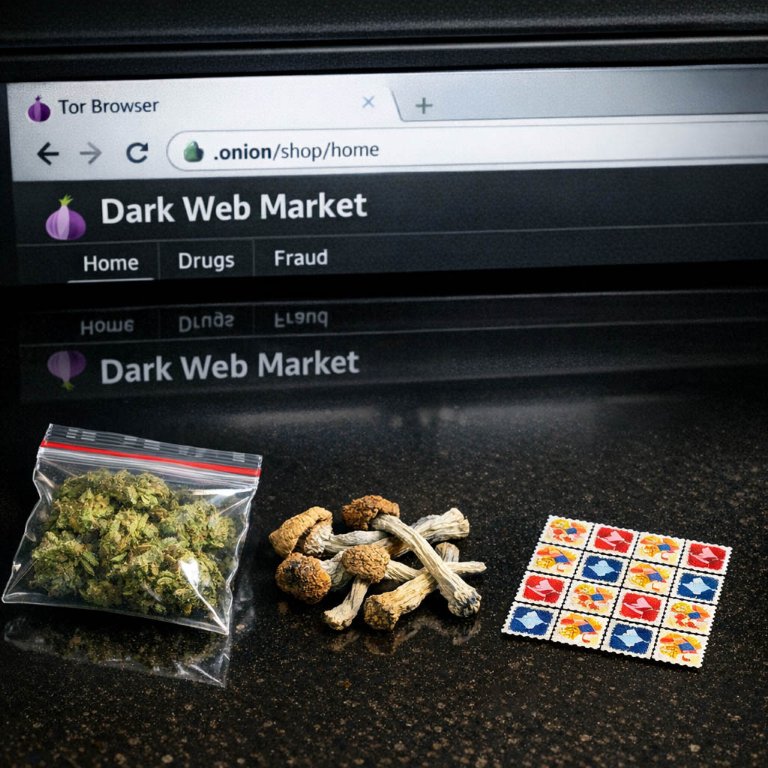
Accessing a darknet market requires specialized software, with the Tor Browser being the standard tool. This browser routes your connection through multiple encrypted layers, obscuring your IP address and providing a high degree of anonymity. It is the essential gateway to .onion addresses, which are the unique, cryptographically generated URLs for darknet sites. These addresses are not indexed by conventional search engines and change frequently for security reasons.
To begin, download the Tor Browser from its official website. After installation, launch it and connect to the Tor network. Direct navigation to a market requires a current .onion link. These are found through:
- Dedicated forums and community boards where users share verified links.
- Public directories and link aggregators that specialize in cataloging active darknet services.
- Private invitations from trusted sources within the community.
The decentralized and anonymous nature of this ecosystem facilitates a free market for goods, including recreational drugs, which are traded based on supply and demand without traditional geographic or legal restrictions. The process is technically straightforward: obtain the Tor Browser, acquire a verified .onion address, and access the platform. This setup empowers individuals to engage in commerce with a focus on privacy and personal choice.
Finding Current Darknet Market Links
The decentralized nature of the darknet means that market .onion addresses are not static and frequently change to maintain operational security. This fluidity makes traditional search engines ineffective. The primary method for locating current, functional links is through dedicated forums and link directories. These platforms, often hosted on their own .onion sites, serve as community hubs where users share and verify the latest URLs.
Forums like Dread provide real-time discussions where members post and review new market links. A typical process involves:
- Accessing a trusted, long-standing forum directory.
- Navigating to the specific market subdread or thread.
- Finding a link posted by a verified moderator or a highly-trusted member with a long history.
The community-driven model of information sharing on these platforms is effective. It leverages collective experience to filter out malicious actors and ensures that users can reliably access the evolving landscape of darknet markets. This system supports the market's resilience and facilitates continued access for anonymous trading.
How Buying Drugs on the Darknet Works
Anonymous e-commerce on darknet markets operates on principles of privacy and cryptographic security. The system uses Tor network routing to conceal the IP addresses of both buyers and vendors, making geographical location and identity difficult to trace. Transactions are conducted using cryptocurrencies like Bitcoin or Monero, which provide a layer of financial privacy not available with traditional payment methods.
The typical purchasing workflow involves several steps designed to build trust without revealing identities:
- A buyer accesses the market via a .onion address and browses product listings, which often include detailed descriptions and photographs.
- To purchase, funds are placed into the market's multisignature escrow system. This holds the cryptocurrency in a secure, third-party account until the buyer confirms satisfactory receipt of the goods.
- Communication between buyer and seller is encrypted through the market's internal messaging system, preserving anonymity while allowing for order coordination.
- After delivery, the buyer finalizes the order, releasing escrow funds to the vendor. The system then prompts for user feedback and a vendor rating, which becomes critical public data for assessing reliability.
This model facilitates a free market for goods that are otherwise restricted, allowing adults to make personal consumption choices without interference. The escrow and rating mechanisms directly address the inherent trust issues of anonymous trade, creating a self-regulating environment where vendor reputation is the primary currency for sustained business success. Product quality and consistent service become the main competitive advantages for vendors, as positive reviews directly translate into higher sales volumes.
How Crypto Keeps Darknet Trade Safe and Private
Cryptocurrency is the financial backbone of darknet commerce, enabling transactions that are both secure and pseudonymous. Unlike traditional banking, cryptocurrency payments do not require the disclosure of personal identities, aligning perfectly with the privacy needs of these platforms. The most commonly used currencies are Monero (XMR) and Bitcoin (BTC), each offering different levels of privacy.
Monero provides enhanced anonymity through its use of stealth addresses and ring signatures, which obscure the sender, receiver, and transaction amount. Bitcoin transactions are recorded on a public ledger, making them more transparent, but users often employ tumbling services or use intermediate wallets to increase privacy. The process is straightforward: a buyer transfers cryptocurrency from their private wallet to the market's escrow address, where funds are held securely until the order is finalized.
The security of this system benefits all parties. For the buyer, it eliminates the risk of credit card fraud or bank account exposure. For the vendor, it prevents chargebacks and allows for the receipt of payments without geographic restrictions. This financial model supports a free market where trade is governed by mutual agreement and reputation, rather than by intrusive financial surveillance. The efficiency and privacy of cryptocurrency transactions are fundamental to the operational integrity and growth of darknet markets.
How Escrow Makes Darknet Trading Safe for Buyers and Sellers
The escrow system is a fundamental mechanism that enables secure transactions on darknet markets. It functions as a neutral third-party service, holding the buyer's cryptocurrency payment in a secure account after an order is placed. The funds are only released to the vendor once the buyer confirms satisfactory receipt of the goods. This process directly addresses the inherent lack of trust in anonymous environments, providing a structured framework for safe commerce.
From a buyer's perspective, escrow offers significant protection. It eliminates the risk of sending payment directly to a vendor who might then fail to ship the product, a practice known as "selective scamming." The buyer can finalize the order, marking it as "finalized early" (FE), only after verifying the product's arrival and quality. Most markets also employ a timed escrow feature, which automatically releases funds to the vendor after a set period unless the buyer opens a dispute. This prevents buyers from unfairly withholding payment indefinitely.
For vendors, the escrow system builds credibility and encourages sales. New buyers are more likely to purchase from a vendor knowing their funds are protected, which helps reputable vendors grow their business. The system ensures that vendors receive payment for completed orders, provided they fulfill their part of the agreement. Disputes are typically mediated by market administrators, who review communication and evidence from both parties before deciding to release funds to the vendor, refund the buyer, or split the amount.
The multi-signature (multisig) escrow variant offers enhanced security by decentralizing the custody of funds. Instead of the market's central escrow wallet, the payment is held in a address requiring two or three cryptographic signatures to release. A standard 2-of-3 multisig setup involves keys held by the buyer, the vendor, and the market. This means no single party can unilaterally steal the funds, as at least two must agree. This model significantly reduces the risk of loss due to market exit scams, where administrators abscond with all held escrow balances.
Effective use of escrow requires active participation. Buyers should:
- Only finalize an order after physically receiving and inspecting the product.
- Communicate promptly with the vendor if there is an issue before opening a dispute.
- Utilize multisig options when available for high-value purchases.
- Shipping products promptly and with reliable stealth to avoid disputes.
- Maintaining clear communication to resolve any issues amicably.
- Building a history of successfully resolved escrow transactions to boost their ratings.

How to Check Darknet Vendor Reputation and Reviews
The decentralized nature of darknet markets places a significant emphasis on community-driven verification. Unlike traditional e-commerce, there are no central authorities to guarantee a transaction. Therefore, a vendor's reputation, built entirely on user feedback and ratings, becomes the primary metric for assessing reliability. This system creates a self-regulating environment where consistent quality and honest service are rewarded with business growth.
When examining a vendor's profile, several data points require analysis. The overall rating score, usually a percentage or star-based system, offers a first impression. More critical than the aggregate score is the volume of completed transactions it is based upon. A vendor with a 4.95/5 score from 20 sales is statistically less proven than one with a 4.8/5 score from 2000 sales. The detailed feedback section is where genuine quality assessment occurs. Users typically comment on:
- Product accuracy: Describing if the received item matches the advertised purity, weight, and type.
- Stealth and packaging: Evaluating the discretion and professionalism of the shipping methods.
- Communication: Noting the vendor's responsiveness and clarity.
- Shipping speed: Reporting the time from order confirmation to delivery.
Patterns in negative feedback are particularly informative. Isolated complaints may stem from postal issues or unique misunderstandings. However, repeated mentions of underweight products, misrepresented substances, or poor communication indicate systemic problems. Conversely, consistent praise for a vendor's stealth techniques and consistent quality across hundreds of reviews strongly signals a trustworthy operator. This transparent ledger of past performance allows buyers to make informed decisions, directly linking a vendor's commercial success to their operational integrity.
How Reviews Help You Find Good Drugs and Trusted Sellers on the Darknet
User reviews are the primary mechanism for establishing trust and quality control on darknet markets. They function as a decentralized reputation system, directly influencing a vendor's ability to conduct business. A vendor with consistently positive feedback accumulates a high trust score, which is a numerical representation of their reliability. This score is calculated from completed transactions and is a more reliable metric than a simple product rating.
When analyzing reviews, the content is more critical than the star rating. Detailed reviews that describe shipping speed, stealth packaging, and precise product potency are significantly more valuable than brief comments. Reviews often specify if the product matched the advertised weight and purity, providing tangible data points for assessment. A pattern of reviews mentioning underweight packages or inferior quality indicates systemic issues with a vendor.
The structure of feedback typically separates product review from vendor review. This allows buyers to distinguish between a one-time issue with a specific batch and chronic problems with a vendor's service. Look for vendors who professionally respond to negative feedback, as this indicates active engagement and a commitment to resolving disputes. A lack of response or hostile replies are red flags.
Effective review analysis involves checking for consistency across multiple transactions. Genuine vendor profiles show a steady stream of feedback over time, while fabricated reviews often appear in clusters with similar, vague wording. This peer-verified system empowers buyers to make informed decisions, fostering a marketplace where quality and honest service are economically rewarded. The result is a self-regulating environment where reliable vendors thrive, and substandard operators are quickly identified and avoided by the community.
How Darknet Markets Create a Free Market for Drugs
Anonymous trading on darknet markets establishes a truly free market by removing traditional intermediaries and state controls. This environment allows for the direct exchange of goods based on unfiltered supply and demand. Prices are set by market forces alone, not influenced by taxation, prohibition costs, or geographic monopolies. This creates a more efficient and competitive landscape for consumers.
The core mechanism enabling this is cryptographic anonymity. When buyer and seller identities are protected by tools like the Tor Browser and cryptocurrency, transactions occur without prejudice or profiling. This levels the economic playing field, granting access based on market participation rather than location, background, or legal status. The result is a market that is inherently global and accessible.
This system fosters enhanced vendor accountability. Since legal recourse is absent, trust is built through transparent, crowd-sourced feedback. Vendors must maintain high standards of product quality and reliable service to build their reputation, which is publicly visible through review systems and forum discussions. This peer-based regulation often creates a self-policing ecosystem where reliability is directly tied to commercial success.
- Direct price competition without artificial markups.
- Access to a global selection of goods without borders.
- A trust model based on verifiable transaction history and user feedback.
- Reduced barriers to entry for sellers, promoting entrepreneurship.
Ultimately, these markets demonstrate a demand-driven economic model. They exist and evolve specifically because they fulfill unmet consumer needs. The persistent operation of these platforms, despite external pressures, underscores a fundamental economic principle: where demand exists, a market will form to supply it. The anonymous nature of the darknet simply provides the necessary conditions for this particular market to function openly.