Darknet Markets 2026:
The dark web is part of the deep web but is built on darknets: overlay networks that sit on the internet but which can't be accessed without special tools or software like Tor. Tor is an anonymizing software tool that stands for The Onion Router — you can use the Tor network via Tor Browser.
| Darknet Market | Established | Total Listings | Link |
|---|---|---|---|
| TorZon Market | 2022 | 140+ | Onion Link |
| Nexus Market | 2024 | 600+ | Onion Link |
| Abacus Market | 2022 | 100+ | Onion Link |
| Ares | 2026 | 100+ | Onion Link |
| Cocorico | 2023 | 110+ | Onion Link |
Updated 2026-10-26
How to Buy and Sell Safely on the Darknet
A modern darknet marketplace functions as a specialized e-commerce platform accessed via networks like Tor or I2P. These networks conceal a user's IP address, providing the foundational layer of anonymity. Upon entry, users encounter a familiar interface with search functions, product categories, and vendor shops, designed for intuitive navigation despite the underlying privacy technology.
The transaction process is built on a multi-layered security model. Buyers and sellers use pseudonyms, and all communications are encrypted. For payments, cryptocurrencies like Bitcoin or Monero are standard, with their blockchain providing a secure and pseudonymous transfer of value that is difficult to trace back to real-world identities.
Product quality and transactional reliability are ensured through integrated reputation and escrow systems. When a purchase is made, the buyer's cryptocurrency is held in a market-controlled escrow. The vendor then ships the product. Only after the buyer confirms receipt and satisfaction is the funds are released to the vendor. This mechanism protects the buyer from fraud.
Community feedback is central to maintaining standards. Each vendor profile displays a detailed rating score and historical transaction data. Buyers leave detailed reviews on product quality, shipping speed, and stealth, creating a transparent feedback loop. High-rated vendors gain prominence and trust, which incentivizes consistent quality and professional conduct. This user-driven accountability creates a self-regulating environment where reputational capital is a vendor's most valuable asset.
The operational resilience of these platforms is achieved through decentralized infrastructure and cryptographic security. Market servers are often hosted in jurisdictions with lax enforcement, and administrators employ robust encryption for all stored data. This design, combined with the distributed nature of the access networks, allows markets to persist and quickly adapt, maintaining a stable and efficient ecosystem for anonymous commerce that prioritizes security, quality, and user satisfaction.
How Cryptocurrency Makes Buying Drugs on the Darknet Private and Safe
The operational foundation of a darknet marketplace is its financial architecture, which relies almost exclusively on cryptocurrencies like Bitcoin and Monero. These digital currencies provide a necessary layer of financial privacy by severing the direct link between a transaction and the real-world identities of the buyer and seller. Unlike traditional payment systems, cryptocurrency transactions are pseudonymous and do not require the disclosure of personal banking details, which is a fundamental requirement for this form of commerce.
The process is straightforward. A buyer funds their marketplace account wallet from their private cryptocurrency wallet. When a purchase is made, the payment is typically held in a multisignature escrow system controlled by the marketplace. This means the coins are not released to the vendor until the buyer confirms satisfactory receipt of the goods. This mechanism directly addresses the inherent trust deficit in anonymous environments, securing the buyer's funds against fraud. Final settlement to the vendor is then executed on the respective blockchain, creating a permanent but pseudonymous record.
Different cryptocurrencies offer varying levels of security and privacy.
- Bitcoin offers transparency and widespread acceptance, though its blockchain is public and transactions can be analyzed.
- Monero is increasingly favored for its enhanced privacy features, as it obfuscates transaction details by default, making tracking considerably more difficult.
This financial model ensures that payments are both secure, through escrow and cryptographic verification, and private, by minimizing the exposure of sensitive financial data. It creates a viable economic space where anonymous transactions can occur with a reduced risk of financial loss, enabling the entire marketplace ecosystem to function efficiently.
How Escrow Makes Buying on the Darknet Safe and Reliable
In the absence of legal recourse, darknet marketplaces rely on escrow systems as the fundamental mechanism for securing transactions. These systems function by holding a buyer's cryptocurrency payment in a secure, third-party account controlled by the marketplace itself. The funds are only released to the vendor after the buyer confirms satisfactory receipt of the product. This process directly addresses the core issue of trust between anonymous parties.
The escrow model creates a balanced incentive structure. For the buyer, it eliminates the risk of sending payment for an item that may never arrive. The vendor, knowing payment is secured and guaranteed upon completion, is motivated to ship the product as described. This arrangement fosters a professional commercial environment where successful trade is the most rational outcome for both parties. Disputes are typically mediated by marketplace administrators, who review communication and evidence before adjudicating the release of escrowed funds.
This technical solution enables a reliable feedback and reputation system. Buyers can confidently leave accurate reviews based on their experience, knowing their financial risk was mitigated during the transaction. Consequently, vendor profiles with high ratings and successful finalizations in escrow become valuable assets, encouraging consistent quality and honest advertising. The escrow system, therefore, is not just a payment tool but the operational cornerstone that allows for the development of credible commerce, transforming a potentially risky anonymous space into a functional platform for efficient exchange.
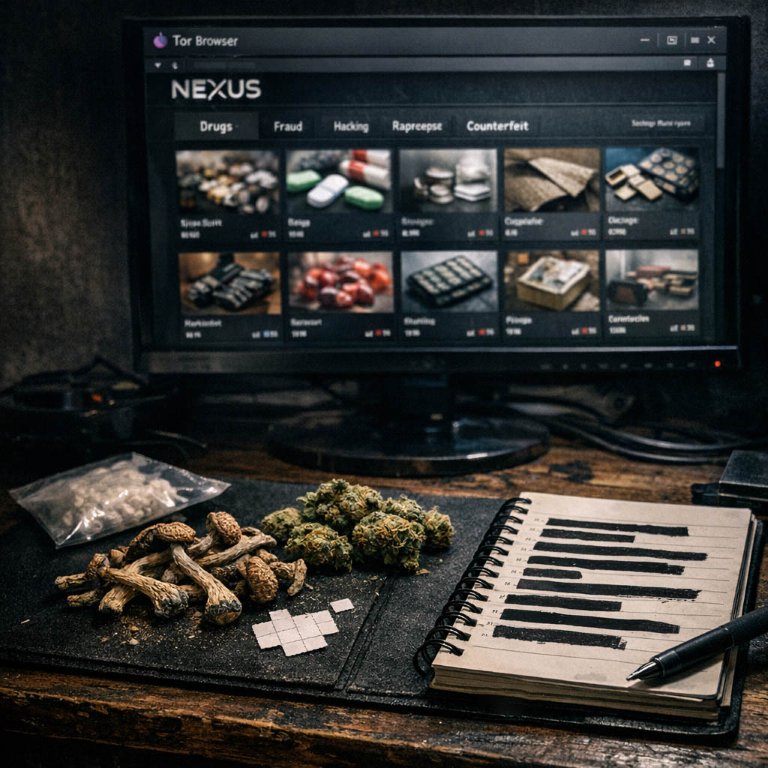
A Wide Range of Quality Products on the Darknet
The product selection on modern darknet marketplaces is vast, directly reflecting user demand and the platforms' operational efficiency. These markets function as specialized e-commerce hubs where cryptocurrency payments and escrow services enable a broad, anonymous trade. The inventory extends far beyond common categories, offering a range of substances, digital goods, and services. This variety is not random but is structured and curated by the marketplace mechanisms themselves.
Quality and reliability are enforced through built-in feedback systems. Every transaction concludes with a user review and vendor rating, creating a transparent record of product purity and shipping reliability. Vendors with consistently high ratings gain prominence, incentivizing responsible business practices. This system mirrors conventional online retail, where reputation dictates success. The wide availability of specific, lab-tested products demonstrates how these reputation systems effectively filter out unreliable sellers and promote quality control.
The resilience of the marketplace software ensures this selection remains accessible. Despite external pressures, the decentralized architecture of these platforms allows them to adapt and persist. This operational stability guarantees buyers continuous access to a diversified catalog. The model proves efficient: it connects global supply with demand, secures transactions through technology, and uses community-driven reviews to maintain standards, fulfilling user requirements for both variety and assured quality.
How Darknet Reviews Keep Product Quality High
The feedback system on a darknet marketplace functions as a decentralized quality control mechanism. Unlike traditional retail, where branding and advertising can obscure product reality, these platforms rely on verified buyer reviews. After a transaction is finalized, a buyer can leave detailed feedback on the product's accuracy, purity, weight, and shipping speed. This creates a transparent and self-policing environment where misinformation is quickly corrected by the community.
This review data directly influences vendor standing. A consistent record of positive reviews builds a vendor's reputation score, which is visibly displayed on their profile. This score becomes their most valuable asset, directly correlating with future sales. Consequently, vendors are economically incentivized to maintain high standards, as any decline in quality or service results in immediate negative feedback, damaging their business prospects. The system effectively aligns vendor success with customer satisfaction.
The collective intelligence from reviews establishes reliable benchmarks. Buyers can compare reviews across multiple vendors for the same product type, identifying which suppliers consistently meet specifications. Common review elements include:
- Detailed product analysis and testing results
- Packaging discretion and stealth effectiveness
- Communication responsiveness from the vendor
- Delivery timeframe consistency

How Reputation Systems Make Darnket Drug Trade Reliable
The operational stability of a darknet marketplace is fundamentally dependent on trust. Since legal recourse is absent, platforms implement sophisticated vendor reputation systems to simulate and enforce accountability. These systems function as a decentralized form of quality control, directly aligning a vendor's commercial success with their ethical conduct and reliability.
Reputation is quantified through a transparent feedback loop. After each transaction, buyers leave detailed reviews and numerical ratings for product quality, shipping speed, and stealth of packaging. This data is aggregated into public vendor profiles, creating a performance history that new buyers can scrutinize. A vendor with hundreds of positive reviews and a high score naturally attracts more business, while one with negative feedback or a low rating faces economic obsolescence.
This mechanism encourages profound vendor responsibility. To maintain a high standing, vendors must consistently provide high-purity products, accurate weights, and reliable delivery. They are incentivized to resolve disputes amicably and often go beyond minimum expectations to secure positive feedback. The system creates a self-regulating environment where long-term profitability is inextricably linked to honest practice. Vendors invest in their reputation as a crucial business asset, fostering a market where quality and reliability are the primary currencies for success.
How Darknet Markets Keep Running Smoothly
The operational longevity of a darknet marketplace is not accidental but a direct result of resilient architectural design. This design employs a decentralized infrastructure, often relying on distributed servers and peer-to-peer networks, making a single point of failure nearly impossible. If one node or server is compromised, the network automatically routes traffic through others, maintaining continuous service availability.
This resilience is further bolstered by the use of cryptocurrency payment systems, which are inherently decentralized and operate independently of traditional financial institutions. Transactions cannot be blocked by a central authority, ensuring the financial layer of the marketplace remains functional under pressure. The integration of automated escrow services directly into this payment flow adds a critical trust layer without relying on a vulnerable central arbiter.
Technologically, these platforms utilize:
- Tor hidden services (.onion addresses) to conceal server locations and protect the identities of both administrators and users.
- End-to-end encryption for all communications, ensuring that even if data is intercepted, it remains unreadable.
- Regular code audits and updates to patch vulnerabilities, often driven by an open-source model where the community can review and improve security.
The marketplace model itself is designed for rapid adaptation and replication. Vendor reputations, product listings, and feedback systems are often easily transferable or backed up, allowing new markets to emerge quickly if a leading one is shut down. This creates a self-healing ecosystem where the core functions of commercelisting, trust, payment, and reviewpersist regardless of individual platform lifespans. The design prioritizes systemic survival over the permanence of any single site, ensuring the commercial environment itself remains robust and operational.

How Darknet Markets Stay Up and Running
The operational longevity of a darknet marketplace is not accidental but a result of continuous adaptation. Platforms evolve through technical iteration and community-driven governance to counter disruptions and maintain utility. A primary adaptation is the shift from centralized market architectures to decentralized or peer-to-peer models. These designs eliminate a single point of failure, making the entire platform more resistant to takedowns. If a central server is seized, the network can often continue to function.
Software code is frequently open-sourced and forked, allowing new markets to launch rapidly with proven security features. This creates a resilient ecosystem where the failure of one node leads to the emergence of another with similar or improved functionality. User security is enhanced through mandatory improvements like:
- the adoption of multisignature escrow by default, which removes the need to trust a central market wallet,
- and the integration of more anonymous cryptocurrencies beyond Bitcoin, such as Monero.
Markets also adapt their operational security (OpSec) protocols based on shared community knowledge. Vendor and buyer guidelines become more sophisticated, detailing best practices for encryption, shipping, and communication. This collective intelligence is formalized in wikis and forums, raising the security baseline for all participants. Furthermore, platform administrators implement proactive security audits and bug bounty programs to identify vulnerabilities before they can be exploited maliciously.
The economic model self-corrects through reputation system refinements. To combat fake reviews, systems now weigh feedback from established buyers more heavily and employ algorithms to detect fraudulent rating patterns. This continuous calibration of trust mechanisms ensures that the market's internal economy rewards quality and reliability, which in turn sustains user engagement and platform viability. The design philosophy is pragmatic: by decentralizing control, hardening transaction security, and refining trust algorithms, these platforms create a self-sustaining and adaptive commercial environment.
How the Darknet Makes Buying and Selling More Efficient
The darknet marketplace model demonstrates a high degree of operational efficiency by creating a self-regulating ecosystem for commerce. Its efficiency stems from the direct integration of cryptocurrency payments, escrow systems, and reputation metrics into a single platform. This integration automates and secures the fundamental processes of trust and transaction finality that are often managed by intermediaries in conventional retail.
Cryptocurrencies like Bitcoin and Monero provide a native payment layer that is both borderless and pseudonymous, removing traditional financial bottlenecks. The escrow system acts as an automated third party, holding funds until the buyer confirms satisfactory receipt of goods. This mechanism directly incentivizes vendor reliability and product quality, as funds are only released upon successful completion of the sale.
The model's efficiency is further amplified by its transparent feedback loops. Every transaction can be rated, creating a permanent record for both buyer and seller. This results in a detailed reputation system where:
- Vendors with consistently high ratings and positive reviews gain visibility and trust, directly linking their commercial success to service quality.
- Buyers can make informed decisions based on historical data, reducing the risk of fraud.
- Market administrators can algorithmically promote reliable vendors, efficiently curating the platform's offerings.
This environment fosters a form of competitive capitalism where the most reliable vendors thrive. The need for platforms to maintain a functional and trustworthy reputation among users drives continuous improvement in operational security, user interface design, and dispute resolution mechanisms. Consequently, the most successful darknet markets operate with a reliability and user-centric focus that rivals many surface web e-commerce platforms, proving the model's inherent effectiveness in organizing secure, peer-to-peer trade.