Darknet Markets 2026:
The dark web is part of the deep web but is built on darknets: overlay networks that sit on the internet but which can't be accessed without special tools or software like Tor. Tor is an anonymizing software tool that stands for The Onion Router — you can use the Tor network via Tor Browser.
| Darknet Market | Established | Total Listings | Link |
|---|---|---|---|
| TorZon Market | 2022 | 140+ | Onion Link |
| Nexus Market | 2024 | 600+ | Onion Link |
| Abacus Market | 2022 | 100+ | Onion Link |
| Ares | 2026 | 100+ | Onion Link |
| Cocorico | 2023 | 110+ | Onion Link |
Updated 2026-10-27
How Nexus Link Makes Buying Drugs on the Darknet Safer and Easier
The Nexus Link platform represents a significant evolution in darknet commerce, engineered to address the primary inefficiencies and risks historically associated with peer-to-peer transactions. Its core architecture is built upon an integrated escrow system, which is automatically applied to every transaction. This mechanism holds the buyer's cryptocurrency in a secure, third-party account until the product is delivered and confirmed, thereby eliminating the prevalent risk of fraud for both parties. Sellers receive a guarantee of payment, while buyers are protected from financial loss, creating a foundational layer of trust that facilitates trade.
This security is complemented by a dedicated, encrypted messaging system within the platform. All communications between buyers and sellers occur through this channel, ensuring that sensitive information regarding orders and shipping remains confidential and protected from external interception. The platform's design extends to its product discovery process, which utilizes standardized listing formats. These formats require vendors to present their products with consistent categories, detailed specifications, and clear pricing, which streamlines the search process for buyers and reduces ambiguity.
The efficiency of the marketplace is further enhanced by a transparent vendor rating and feedback system. After each completed transaction, buyers can leave detailed reviews and scores based on product quality, shipping speed, and communication. This creates a self-regulating environment where reputable vendors are easily identifiable through their accumulated positive feedback, and poor performers are marginalized. The cumulative effect of these integrated featuresescrow, encrypted communication, standardized listings, and a reputation systemis a streamlined commercial environment. Nexus Link reduces operational friction and transactional risk, allowing buyers and sellers to engage in efficient and reliable commerce with a significantly higher degree of confidence and predictability than unstructured darknet trading.
How Escrow Makes Buying on the Darknet Safe
The escrow system is a fundamental component of secure commerce on Nexus Link. It functions as a neutral third-party holding service for cryptocurrency payments. When a buyer initiates a purchase, the funds are immediately and automatically locked in the platform's escrow. This money is not released to the seller until the buyer confirms satisfactory receipt of the product.
This mechanism directly addresses the inherent trust deficit in anonymous environments. It protects the buyer from vendor fraud, such as non-shipment or shipment of inferior products, as the seller does not have access to the payment until the order is fulfilled. Concurrently, it protects reputable sellers from false non-receipt claims by buyers, as the escrowed funds guarantee payment upon completion. The system incentivizes honest conduct from both parties, as a successful transaction is the only way for the seller to access the funds and for the buyer to receive the goods.
The process is streamlined and largely automated:
1. The buyer sends payment to the escrow address.
2. The seller is notified to ship the product.
3. Upon receipt, the buyer finalizes the order, releasing escrow to the seller.
If a dispute arises, a moderated resolution process is triggered, where platform staff review communication and evidence before adjudicating the escrow release. This structured approach minimizes financial risk and is a primary reason for the platform's operational stability and user confidence.
Private Messaging for Safe Commerce on the Darknet
The encrypted messaging system is a fundamental component of the Nexus Link platform, directly enabling the secure and efficient coordination required for successful commerce. Unlike standard communication tools, this system is built with end-to-end encryption (E2EE) as a default, ensuring that all message content is scrambled and can only be read by the intended sender and recipient. This technical measure prevents unauthorized interception of sensitive data, which includes shipping details, order specifics, and negotiation terms.
This secure channel facilitates a clear and direct dialogue between buyer and seller, which is essential for building trust and finalizing transactions. Parties can discuss product specifics, confirm order accuracy, and resolve any issues without exposing their conversation to third parties. The encryption ensures that these logistical discussions, critical for the smooth operation of trade, remain private and protected. The system's design acknowledges that reliable communication is not an ancillary feature but a core operational requirement for any functional marketplace, as it reduces misunderstandings and disputes by providing a verifiable record of agreements within the platform's secure environment.

How Vendor Ratings Make the Darknet Safer for Buyers
The vendor rating system is a foundational component of the Nexus Link platform, directly addressing the inherent trust deficit in darknet commerce. It functions as a decentralized reputation mechanism, where past buyer experiences are quantified and displayed. Each transaction concludes with the buyer submitting feedback across several metrics: product quality, shipping speed, stealth packaging, and communication reliability.
This aggregated data produces a vendor score and detailed percentage metrics, visible on every product listing. A vendor with a 4.9/5 score and a 98 on-time delivery rate presents a verifiable track record. The system incentivizes consistent, high-quality service, as future sales volume is directly tied to maintained high ratings. For buyers, it transforms selection from a gamble into a data-driven decision.
Transparency is further enhanced by the mandatory review text. These written accounts provide context beyond numbers, detailing specific aspects of the transaction. Potential buyers can assess:
- Consistency in product potency across orders.
- Adaptability of shipping methods to different regions.
- Responsiveness in resolving rare issues like delayed packages.
This creates a self-policing ecosystem where trust is built collectively through verified peer feedback. Poor service or misrepresented products lead to rapid rating deterioration, warning the community and effectively marginalizing fraudulent actors. The rating system thus reduces perceived risk, facilitates efficient market discovery for reliable vendors, and establishes a stable environment for commerce based on demonstrated performance rather than anonymity alone.
Clear Listings Make Shopping on the Darknet Easy
The efficiency of a darknet marketplace is fundamentally determined by the ease with which users can locate and evaluate products. Nexus Link addresses this through a rigorous system of standardized listings. This framework mandates a consistent format for all product pages, ensuring that every listing presents information in a predictable and comparable manner.
A standardized listing on Nexus Link includes several key fields that a vendor must complete. These fields typically encompass product category, precise quantity or weight, purity level, country of origin, and available shipping destinations. This structured data eliminates ambiguity and allows buyers to make direct comparisons between different vendors offering similar goods. The platform's search and filter functions are built upon this structured data, enabling users to quickly narrow down results based on specific criteria such as price range, shipping option, or vendor rating.
The benefit of this system is a significant reduction in search time and transactional friction. Buyers are not required to parse through inconsistently formatted advertisements or engage vendors for basic information. All essential data is presented upfront in a clear layout. This standardization extends to the visual presentation as well, with image guidelines and a uniform description structure that prioritizes factual product details over promotional rhetoric.
Consequently, the marketplace environment becomes more transparent and competitive. Vendors are incentivized to compete on the merits of their product quality, pricing, and service, as their listings are presented on an equal footing. This organizational principle transforms the platform from a chaotic bazaar into a streamlined commercial interface, directly facilitating efficient and reliable commerce by making product discovery a logical and straightforward process.

How Escrow and Feedback Make Darknet Trade Safer
The primary mechanism for risk reduction on Nexus Link is the mandatory escrow service. This system holds the buyer's cryptocurrency in a secure, third-party account until the ordered goods are received and confirmed. This arrangement directly addresses the fundamental asymmetry in darknet transactions, where traditional trust is absent. The seller is assured of payment security before shipping, while the buyer is protected from fraudulent vendors who might otherwise accept payment without delivery.
This escrow model is reinforced by the platform's encrypted messaging and structured feedback system. Discreet communication allows for the resolution of shipping issues or product inquiries without exposing operational details. The permanent, public nature of vendor ratings creates a powerful economic incentive for sellers to maintain high standards. A vendor with consistently positive feedback gains a valuable reputation, directly translating into more sales. Conversely, negative reviews for non-delivery or poor quality serve as a clear warning to the community, effectively policing the marketplace through collective experience.
For sellers, risk is further mitigated by the platform's standardized framework. Standardized listings reduce disputes over product description accuracy, and the escrow system guarantees payment upon buyer confirmation. The entire process, from browsing to finalizing a sale, is contained within a single, streamlined environment. This reduces operational friction and the potential for errors that could compromise security or lead to financial loss for either party.
How Darknet Markets Make Buying Drugs Smooth and Secure
The Nexus Link platform operates on principles designed to optimize commercial exchange. Its architecture reduces traditional market inefficiencies, creating a predictable environment for both vendors and buyers. The system's core mechanisms work in tandem to lower transaction costs and enhance operational reliability.
A primary feature is the automated escrow service. This system holds a buyer's cryptocurrency in secure custody until the ordered goods are confirmed as delivered. This process directly addresses the fundamental issue of trust in anonymous trade. It protects buyers from fraudulent vendors who might not ship products, while simultaneously assuring vendors that funds are secured and will be released upon completion of the sale. This mechanism minimizes disputes and fosters a stable trading environment.
Complementing escrow is the platform's encrypted messaging system. Secure communication is vital for resolving order specifics, shipping details, and other logistical matters without exposing participants to external surveillance. This tool ensures that all necessary commerce-related dialogue can occur within the protected ecosystem of the marketplace, keeping operations smooth and contained.
Market efficiency is further driven by standardized vendor ratings and product listings. A consistent feedback system allows buyers to make informed decisions based on the historical performance of sellers. This transparency rewards reliable vendors with more business and marginalizes those with poor service. Standardized listings, categorized and searchable, simplify product discovery, saving users time and reducing market friction. The resulting environment is one where quality and reliability are incentivized, promoting a more efficient and dependable commercial network.
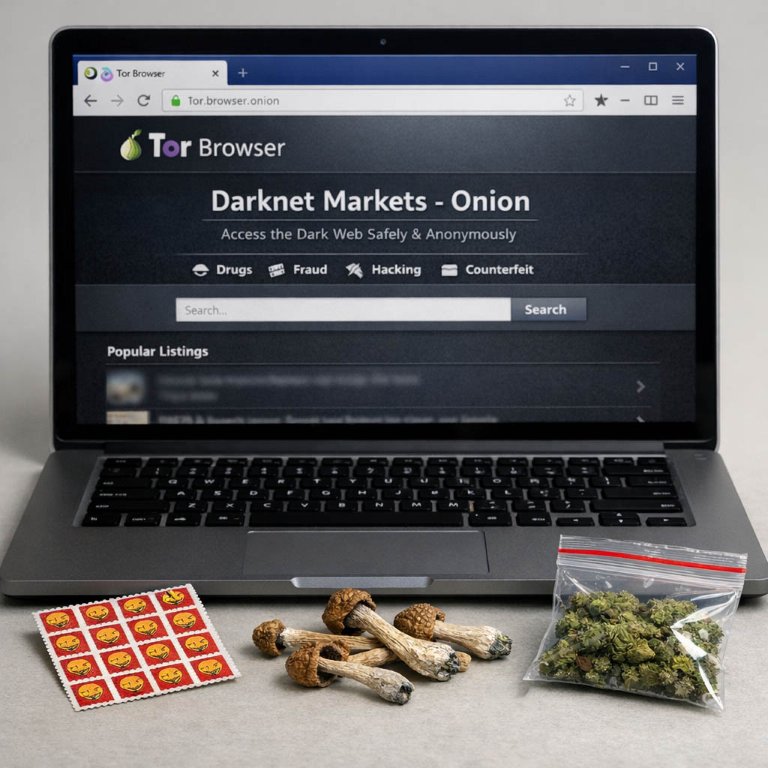
How a Modern Darknet Marketplace Works
The Nexus Link platform exemplifies the evolution of darknet commerce, structuring itself around core principles that prioritize security, efficiency, and user trust. Its architecture is designed to facilitate smooth transactions while minimizing operational friction for both buyers and sellers.
At its foundation, the marketplace employs a standardized listing format. This creates a consistent browsing experience, allowing customers to quickly find products based on clear categories, detailed descriptions, and transparent pricing. Each vendor storefront is built upon a reputation system where past buyers leave detailed feedback and ratings. This accumulated history serves as a critical trust mechanism, enabling new users to make informed decisions based on proven vendor performance.
Transaction security is managed through an automated escrow service. Funds are held by the platform until the buyer confirms satisfactory receipt of the goods, only then releasing payment to the seller. This system effectively balances risk, protecting buyers from fraud while ensuring sellers are paid for completed orders. All coordination occurs via the platform's integrated encrypted messaging, which keeps communication secure and tied directly to the relevant order, eliminating the need for insecure external channels.
The combined effect of these integrated systemsstandardized listings, a robust feedback loop, automated escrow, and secure messagingcreates a streamlined environment. This structure reduces administrative overhead and dispute potential, allowing participants to focus on the commercial exchange itself. Nexus Link demonstrates how a well-organized darknet marketplace can operate with a high degree of reliability and user-centric design, fostering a self-regulating ecosystem for efficient trade.